
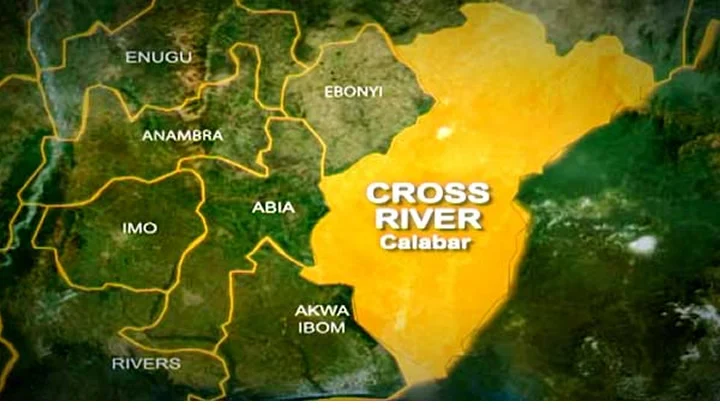
Cross River State is giving its youths a head start in Nigeria’s growing blue economy through the World Bank Marine Skills Programme, equipping them with modern maritime skills that can create jobs, boost trade, and turn the state’s long coastline into a source of sustainable income.
Analysts say the programme could be a game-changer for the state. With Nigeria’s maritime sector contributing over ₦113 trillion to the economy in 2025 and national blue economy potential projected at $296 billion, states like Cross River have a unique advantage. By training youths in shipping, port management, fisheries, aquaculture, marine logistics, and renewable energy, the initiative ensures they are ready for real jobs and entrepreneurial opportunities.
Governor Bassey Edet Otu’s administration has linked the training to strategic projects such as the Bakassi Deep Seaport, with $3.5 billion in planned investments. This ensures that graduates of the World Bank Marine Skills Programme won’t just earn certificates — they will have practical pathways to work and business opportunities.
Many young Nigerians are also exploring complementary programs like the FMYD Waste to Wealth Initiative, which trains youths in circular-economy businesses, helping them turn waste into profitable ventures while learning eco-friendly skills. Similarly, the NiYA Gigs platform allows youths to monetize their talents across creative, technical, and service-based sectors, providing flexible income streams for those who complete training programs.
To help youths access financing for these opportunities, initiatives like FG YouthCred Loans offer up to N5 million in structured credit to employed young Nigerians, enabling them to start or expand businesses in maritime services, renewable energy, and other entrepreneurial ventures.
International partners, including the World Bank, provide technical expertise and strategic guidance for the programme. Officials emphasize that this approach can help Cross River youths compete internationally while boosting local economic growth.
Special advisers and academics highlight that the programme not only prepares participants for traditional maritime roles but also emerging sectors like renewable energy, coastal tourism, and climate-smart fisheries. Certificates awarded under the World Bank Marine Skills Programme are globally recognized, enabling participants to work across Nigeria and abroad.
By combining local talent, strategic projects, and international expertise, Cross River is setting an example for other states on how the blue economy can create meaningful opportunities for Nigerian youth. The World Bank Marine Skills Programme is now a key part of the state’s vision to turn its water resources into a driver of jobs, income, and sustainable growth.